2026.5.18 Launch of Japan-Taiwan Joint Research Exchange (SICORP):Prof. Lee of Tottori University Japan Visited TJEO
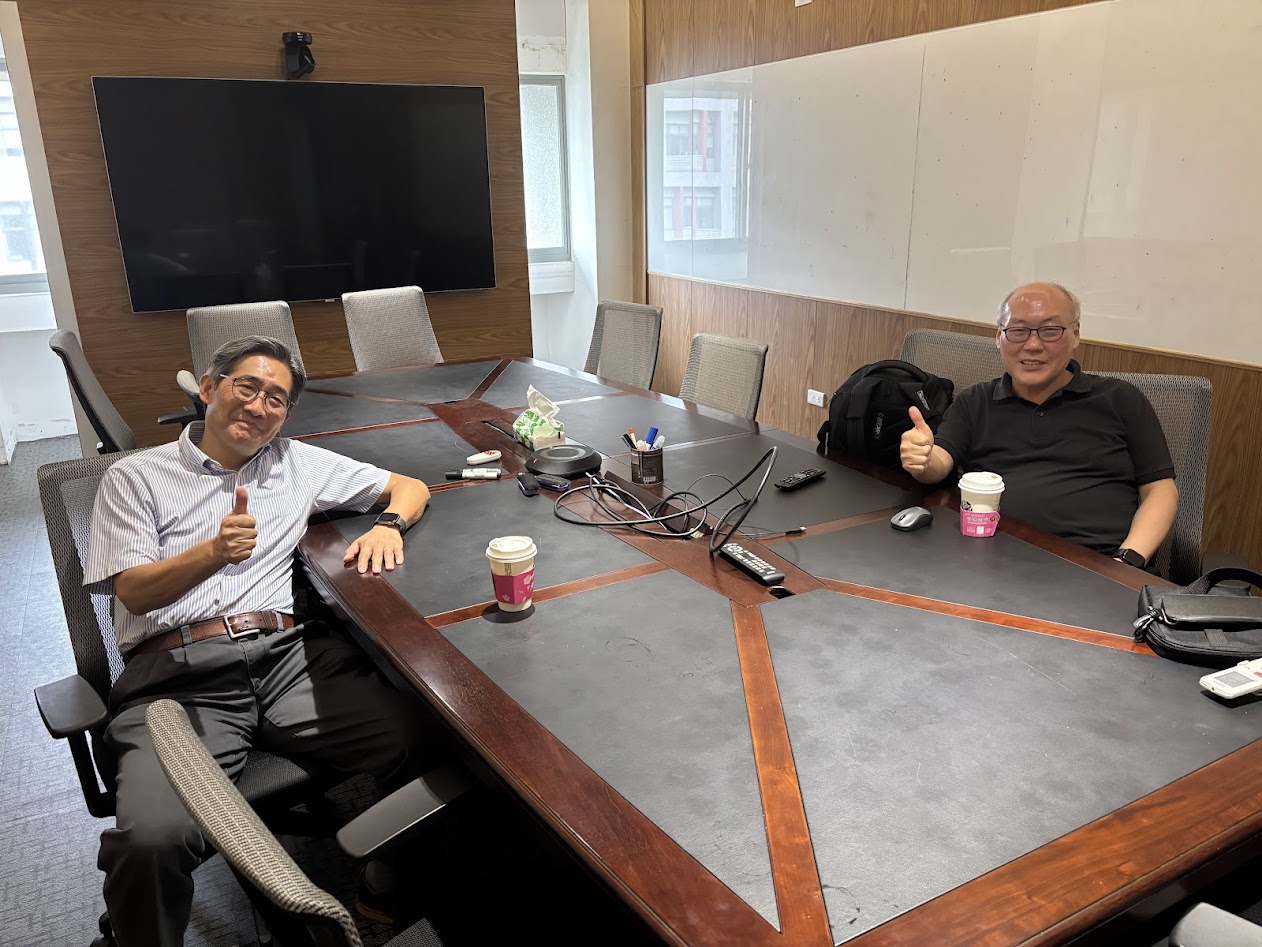
On May 18, we had the great pleasure of welcoming Professor Sang-Seok Lee from Tottori University Japan to NYCU. He joined Professor Paul C.-P. Chao from our Institute of Electrical and Control Engineering for a successful kick-off meeting to launch our JST/NSTC Strategic International Collaborative Research Program (SICORP), Japan–Taiwan Joint Research Exchange “Thermal-Electrical Co-Simulation for the Optimization of High-Speed Heterogeneous AI Chip Interconnect Designs in Unmanned Aerial Vehicles (UAVs)”. Following this productive start, Professor Lee visited the Taiwan-Japan Exchange Office to discuss exciting opportunities for future research collaboration and student exchanges. We are truly thrilled about this partnership and are fully committed to supporting this wonderful project in every way possible.
1). Project Framework
- Program: Strategic International Collaborative Research Program (SICORP), Japan–Taiwan Joint Research Exchange
- Funding Agency: Japan Science and Technology Agency (JST)
- Research Frontier: Nanoelectronics for Next-Generation AI Architecture
- Duration: Fiscal Years 2026–2028
- Principal Investigator (Japan): Prof. Sangseok Lee (Department of Electrical, Electronic and Computer Engineering, Faculty of Engineering, Tottori University)
- Principal Investigator (Taiwan): Chair Prof. Chang-Po Chao (Department of Electrical and Computer Engineering, National Yang Ming Chiao Tung University)
2). Abstract & Technical Objectives
- Project Title: Thermal-Electrical Co-Simulation for the Optimization of High-Speed Heterogeneous AI Chip Interconnect Designs in Unmanned Aerial Vehicles (UAVs)
- Scientific Challenge: Heterogeneous 2.5D and 3D semiconductor integration offers an unprecedented leap in hardware density and computational throughput. However, localized thermal accumulation serves as a critical bottleneck, threatening both device reliability and signal integrity.
- Core Methodology: This international initiative develops a robust thermal-electrical co-simulation framework specifically tailored to the rigorous operational profiles of edge-AI chips in UAVs. The Japanese cohort, led by Prof. Lee, spearheads the formulation of high-fidelity thermal-transport simulation models. These models serve to optimize inter-chip circuitry and micro-electrode architectures, mitigating thermal stress and ensuring power-delivery efficiency in tandem with the Taiwanese fabrication and benchmarking teams.
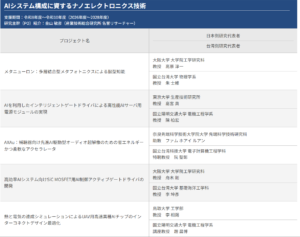
2026.5.18 日台共同研究交流(SICORP)が始動:鳥取大学李教授がTJEOを訪問
5月18日、日本より鳥取大学の李相錫教授を国立陽明交通大学(NYCU)にお迎えいたしました。李教授は、本学電機工程学系の趙昌博教授とのキックオフミーティングに臨み、科学技術振興機構(JST)と国家科学及技術委員会(NSTC)による「戦略的国際共同研究プログラム(SICORP)日台共同研究交流」の採択課題を正式に始動させました。
本プロジェクトは、「熱と電気の連成シミュレーションによるUAV用高速異種AIチップのインターコネクトデザイン最適化」をテーマとしています。この実りあるスタートに続き、李教授は台日交流推進室(TJEO)を訪問され、今後の共同研究や学生交流に向けた意見交換をしました。本学は、この国際パートナーシップの締結を心から歓迎するとともに、この素晴らしいプロジェクトの成功に向けて全面的な支援を尽くしてまいります。
1). プロジェクト概要
-
プログラム名: JST 戦略的国際共同研究プログラム(SICORP)日本-台湾研究交流
-
協力分野: AIシステム構成に資するナノエレクトロニクス技術
-
支援期間: 2026年度~2028年度(令和8年度~令和10年度)
-
日本側研究代表者: 李 相錫 教授(鳥取大学 工学部 電気情報系学科)
-
台湾側研究代表者: 趙 昌博 教授(国立陽明交通大学 電機工程学系)
2). 研究テーマと目的
-
研究題目: 無人航空機(UAV)用高速異種AIチップのインターコネクト設計最適化に向けた熱・電気連成シミュレーション
-
研究内容: 異種(ヘテロジニアス)2.5Dおよび3D半導体集積技術は、ハードウェアの集積密度と計算処理能力(スループット)にかつてない飛躍をもたらします。しかし、局所的な熱の蓄積が重大なボトルネックとなり、デバイスの信頼性と信号品質(シグナルインテグリティ)の双方を脅かしています。
-
具体的な役割: 本国際プロジェクトでは、UAVに搭載されるエッジAIチップの過酷な稼働プロファイルに特化した、堅牢な熱・電気連成シミュレーションのフレームワークを開発します。李教授率いる日本側チームは、高精度な熱輸送シミュレーションモデルの構築を主導します。これらのモデルは、台湾側の製造および評価(ベンチマーキング)チームとの連携の下、チップ間回路や微小電極の構造(アーキテクチャ)を最適化し、熱応力を緩和して電力供給効率を確保するために活用されます。